Organic Pulse Production in the Palouse
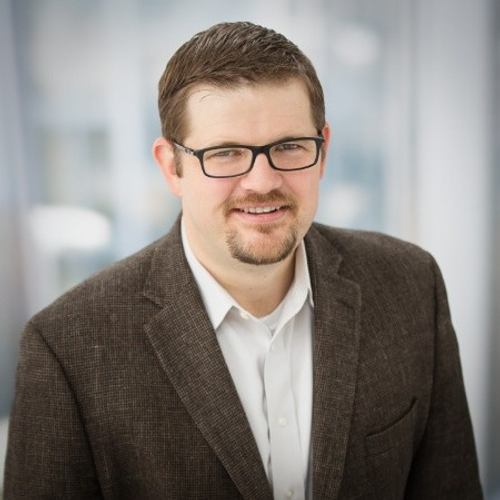
Aaron Flansburg is a fifth generation farmer from Palouse, Washington. In this arid, hilly eastern part of the state, Aarong grows dryland crops like wheat, barley, canola, peas, lentils, chickpeas and some alfalfa. Aaron grew up on the farm, in fact he remembers getting his start in operating farm equipment by driving the swather when he was 12. In recent years, Aaron has brought the swather back to the operation to help him harvest the organic pulse crops he has started adding to his conventional operation.
In today’s episode, Aaron shares this journey of growing pulses organically, how his views have changed on practices like tillage, the value of finding niche markets, growing pardina lentils, and much much more.
"Looking at the balance sheets last year, the stuff that I did on the organic ground was far and away the most profitable…You know, it's taken a lot of effort. It's been a struggle. It's been an investment of time and new (to me) machinery to get it to the point where I feel like I have what I need to do it, and there's always a few items on the wish list. But my hope is that this system can kind of be proven to work and be able to replicate it on other farms in the area.” - Aaron Flansburg
This Week on Growing Pulse Crops:
- Meet Aaron Flansburg, fifth generation farmer from Palouse, Washington.
- Explore Flansburg’s journey of growing pulses organically and how his views have evolved
- Discover the value of finding niche markets and value-added products that can generate more profit per acre
Growing Pulse Crops is produced by Dr. Audrey Kalil and hosted by Tim Hammerich of the Future of Agriculture Podcast.